Very good local destination. We had breakfast there. Delicious and being seated on the piazza close to the torre del’ orologio is so romantic I recommend every morning
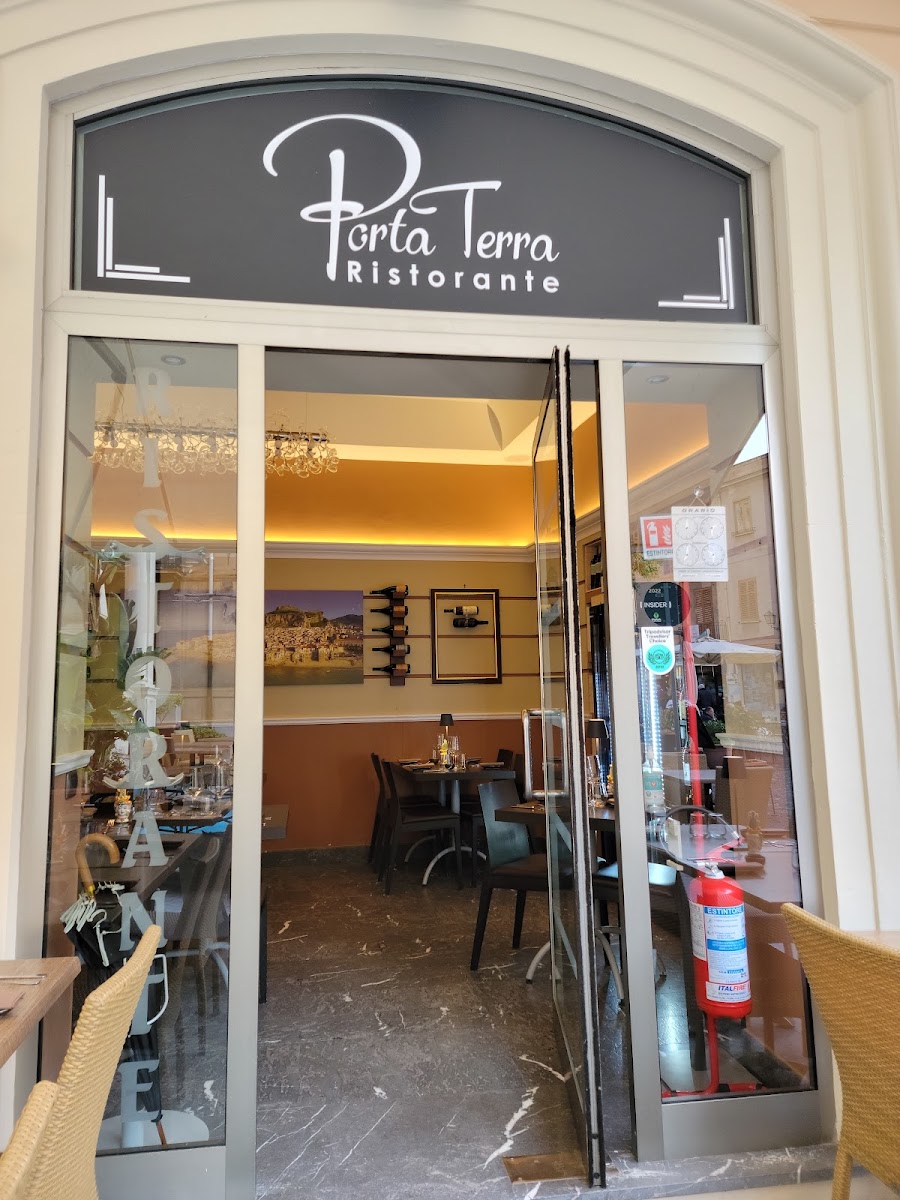
Overview
Walking into Porta Terra feels like stepping into a relaxed slice of Cefalù life, the kind of place where lunch accidentally turns into a long afternoon. I first stopped by after a swim near the old harbor, still salty and hungry, and the staff waved me in like a regular. That welcoming attitude sets the tone right away. The restaurant sits at Piazza Garibaldi, 5, 90015 Cefalù PA, Italy, an easy-to-find spot that locals use as a meeting point before wandering through the historic center.
The menu leans heavily into Sicilian comfort food, but without trying too hard to impress. You’ll see familiar favorites like handmade pasta, slow-cooked sauces, and seafood dishes that reflect the daily catch. On my last visit, the pasta with sardines arrived steaming, fragrant with wild fennel and toasted breadcrumbs. The balance was spot on, and it matched what culinary historians from the University of Palermo often note about traditional Sicilian cooking: bold flavors built from simple, seasonal ingredients. That philosophy shows up again and again here, especially in how olive oil, citrus, and fresh herbs are used.
One thing that stands out is how the kitchen handles timing. I asked the server how they manage a busy lunch rush without compromising quality, and she explained that sauces are prepared early in the day and finished to order. That method mirrors practices recommended by chefs associated with the Slow Food movement, which emphasizes preparation over shortcuts. You can taste the difference, especially in dishes like caponata, where each vegetable keeps its texture instead of melting into mush.
The wine list is compact but thoughtful, focusing on Sicilian producers. A glass of Nero d’Avola paired beautifully with grilled swordfish, and the server even shared a quick tip on why local wines tend to work better with regional food. According to data from Italy’s National Institute of Statistics, Sicily is one of the country’s fastest-growing wine regions, and places like this help showcase that growth without turning it into a lecture.
What really gives the restaurant character, though, is the crowd. At neighboring tables, I overheard a mix of Italian, English, and German, with locals chatting comfortably alongside travelers comparing notes from their trip. Online reviews often mention this easygoing mix, and it matches my experience. People come here to eat well, not to rush. One regular told me he stops in twice a week because it’s like eating at a friend’s house, and that description fits better than any formal review ever could.
Service stays friendly even when things get busy, which isn’t always easy in a popular Cefalù diner. Orders are taken with patience, questions about the menu are answered honestly, and if something runs out, they’ll tell you straight instead of pushing an alternative. That transparency builds trust, especially for visitors who might not know Sicilian dishes by name. Food safety standards are clearly respected, and ingredients are handled carefully, aligning with guidelines promoted by Italy’s Ministry of Health for small restaurants.
There are a few limitations worth mentioning. During peak summer evenings, wait times can stretch longer than expected, and reservations aren’t always accepted. Also, while the menu covers a wide range, strict vegan options are limited, though vegetarian dishes are easy to find. Still, for a casual yet thoughtful dining experience rooted in local culture, this spot delivers consistently. The location, the honest cooking, and the steady stream of positive reviews all point to a place that understands its role in the neighborhood and sticks to it without fuss.
Good to know
Service options
✓ Outdoor seating ✓ Dine-in ✓ DeliveryHighlights
✓ Great coffee ✓ Great dessert ✓ Great wine listPopular for
✓ Lunch ✓ Dinner ✓ Solo diningAccessibility
✓ Wheelchair-accessible entrance ✓ Wheelchair-accessible seating ✓ Wheelchair-accessible toiletOfferings
✓ Alcohol ✓ Beer ✓ Cocktails ✓ Coffee ✓ Healthy options ✓ Organic dishes ✓ Spirits ✓ Vegan options ✓ Vegetarian options ✓ WineDining options
✓ Lunch ✓ Dinner ✓ Dessert ✓ Seating ✓ Table serviceAmenities
✓ Bar on site ✓ ToiletAtmosphere
✓ Casual ✓ Cosy ✓ Quiet ✓ Romantic ✓ TrendyCrowd
✓ Groups ✓ TouristsPlanning
✓ Dinner reservations recommended ✓ Accepts reservationsPayments
✓ Credit cards ✓ Debit cards ✓ NFC mobile payments ✓ Credit cardsChildren
✓ Good for kids ✓ High chairs ✓ Kids' menuParking
✓ Paid street parking ✓ ParkingPets
✓ Dogs allowedPhotos
1 / 4
Location
Reviews
- No ratings yet 387 reviews
"A truly charming find! The kitchen excels, as evidenced by the wonderfully fresh ravioli in a delicate butter sauce. The lamb shank with Marsala sauce, which my husband thoroughly enjoyed, was nothing short of amazing. Beyond the delicious food and appropriate portion sizes, the service—especially from Antonio—was impeccable, making our visit feel genuinely special." Complements to the chef...
I am honestly in shock at some of the reviews. If you really think this is a tourist trap, then you’re better off at an Olive Garden. This gem of a restaurant offers fine Sicilian cuisine, some traditional some reinterpreted. The food is excellent, we had the spaghettoni with local tinned anchovies, breadcrumbs, tomatoes and raisins, and the cacio e pepe with the famed red shrimp from Mazara. We followed it with a divine take on the sfincione from Palermo and Bagheria topped with baccalà and a side of local mushroom, all washed down with a fantastic bottle of Aetnan white wine. The service was some of the absolute best I have experienced in Italy - and I’m Italian. If you still are not convinced, maybe Sicily isn’t your thing. I hear there are great chippies in Grimsby.
After a lovely day in Cefalu, I spent the evening in the cozy atmosphere of this restaurant. The wait staff was very friendly and recommended good drinks and dishes. The food was delicious and innovative. Thank you for the lovely evening and best regards to the sweet waitress
Great dining experience with great service, food, and setting. We had appetizers, mains, and desserts - all were delicious and well plated, we could not fault the dishes. Staff were friendly & courteous, just the right amount of leaving us alone / enquiring on our needs. The ambience was lovely with street side seating, under soft lighting. Really enjoyed our time here, recommend!
By far one of the best meals my wife and I have ever had!